Heat Bulbs for Leoarard Geckos
- River Gard

- Mar 17, 2021
- 5 min read
Updated: Apr 20, 2023
This article is to explain why these bulbs are improper and also give you answers to which are proper!
See my other article "Where we go wrong with leos heat", for more info on heating types as well as how to properly use them.
As well as Roman's article on heating for reptiles
Improper

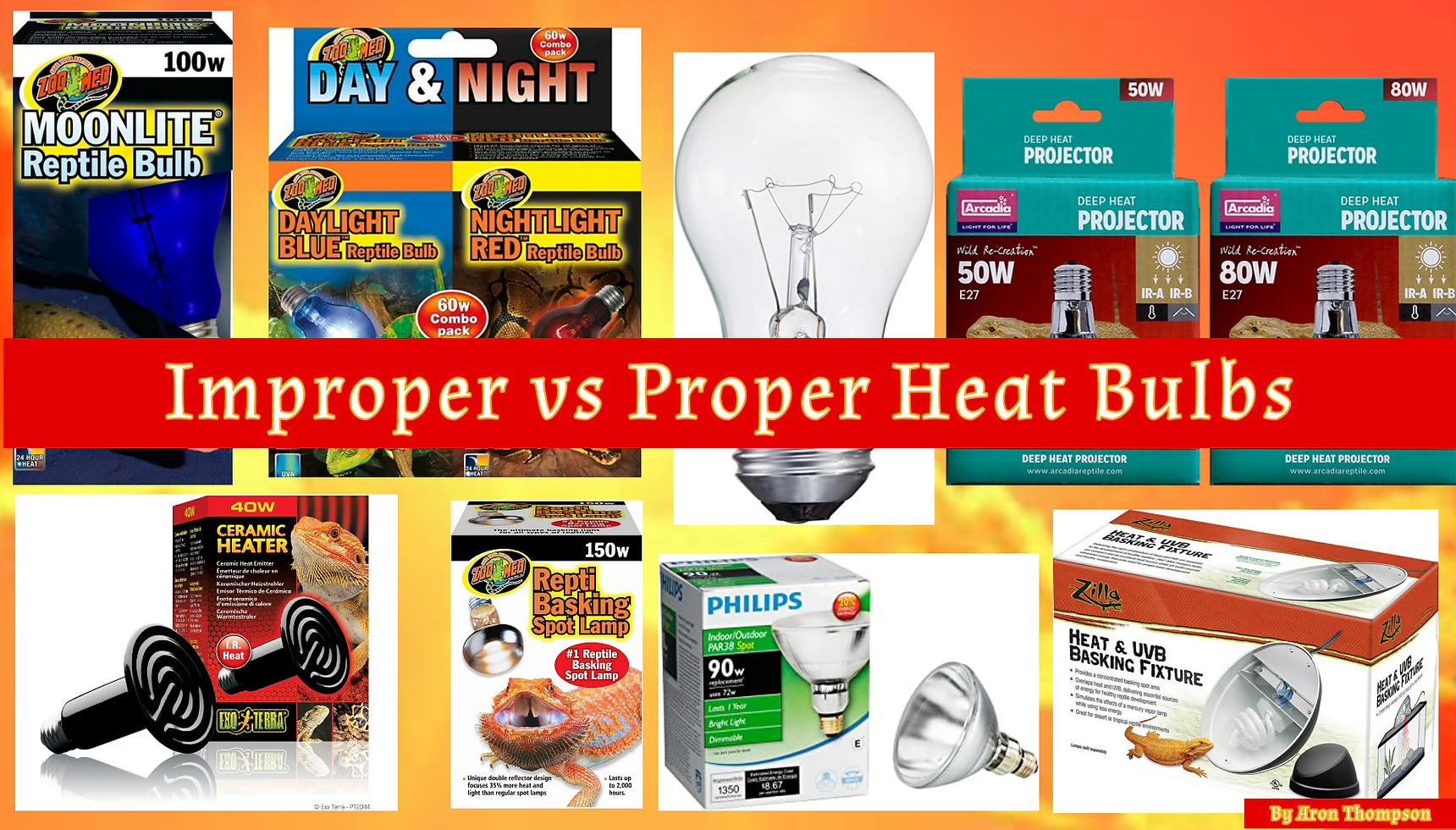
Colored bulbs
These bulbs are absolutely terrible.
They cause eye damage, cornea burns, eye sight loss, and other major eye issues.
They also disrupt day/night cycle needed for leopard geckos to know when to be active and inactive.
These bulbs also do not provide proper heating nor does it provide the type of heat waves needed
These bulbs are unsafe, useless, and marketed towards unknowing beginners.
Moonlight Bulbs
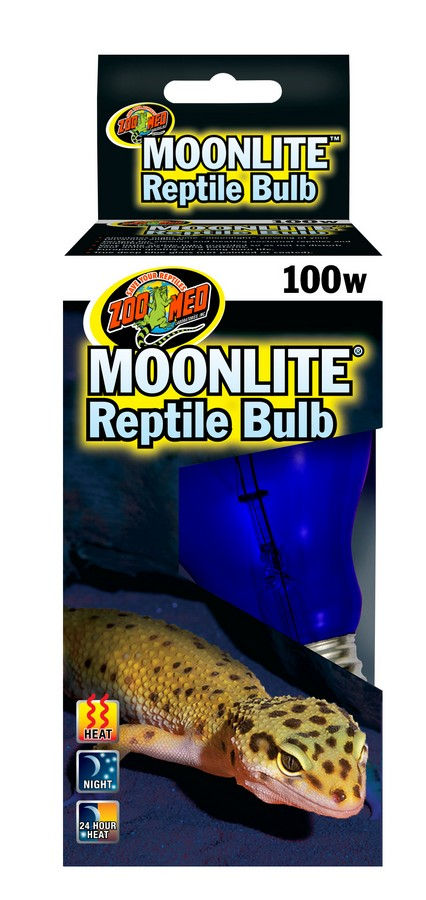
These bulbs like colored bulbs are damaging to leos eyes, such as cornea burns, eye damage, and other eye issues.
These bulbs disrupt night cycles and do emit light.
Some say they don't emit light, but still emit ultraviolet light we are unable to see. But leos can, disrupting their sleep cycles.

Basking Bulbs
These often are marketed as amazing bulbs for basking, but in reality they are cheap, improperly marketed bulbs.
These bulbs do not provide the proper deep penetrating heat. (see Roman's article for more info)
They often over heat, under heat, and blow out completely. They also are not able to go on a dimmer, which is needed for proper temps.

Heat & UVB combo bulbs
These are terrible, not only do they not provide adequate heating but they also don't provide proper uvb.
They are geared towards beginners who are unaware of the danger of using them.
They do not provide enough uvb rays to allow for d3 synthesis for your leo. This leads to them under producing d3, and most leos don't know of this. So they give calcium without d3. This causes your leo to suffer in the long run.
They also do not emit any infrared A heat waves, only infrared C. So your leo does not get the nessecary heat waves for proper digestion.
These bulbs commonly blow out also.

Ceramic Heat Emitters (CHE)
These bulbs do not provide the right type of heat waves, they emit the weakest form which is infrared C. Leos need infrared B and A to get proper over head heat
They don't penetrate the epidermis, nor the dermis of your leos. To get proper heating, the heat must penetrate though the skin all the way into the digestive organs. A CHE will not allow this.
Because of the low infrared waves, they have to bask longer, and will not be fulfilled with the heat. Which can lead to them over basking, resulting in burns.
However
They CAN be used to add ambient heating (example) :
You are using proper heat bulbs, a dhp or a halogen, and your hot side is perfect temps! But, your cool side is too cool. In this scenario you can add a che to the cool side to add ambient heat.
You're home is too cold at night, below 70°F, and you need to supply heating without disrupting your leopard geckos day/night cycle. These can be used to add ambient heat at night so your leo can be comfortable.

Regular Light Bulbs
These provide absolutely no heat for the leo, and there for are only useful for adding light to your tank.
LED, and all other lights similar are insufficient for heat for leos. (They are likely fine for lighting, just not heating.)
To add ambient lighting to your tank
You can use them to add ambient lighting to your tank if you aren't providing enough.
Ensure that you get one between 2,000-3,000 coloration. This is because lights that are too white, they will damage your leos eyes. This is why people say albinos can't have light, when in reality its mainly because of the coloration of the light.
Proper

Halogen bulbs
The bulb must be between these parameters to be considered appropriate: Halogen (NOT LED) flood bulb par38 70-120 watt coloration 2,000-3,000
They also must be placed on a dimmer or dimming thermostat. If placed onto an on/off thermostat they will explode, cause the bulb to turn off and on over and over again, flicker, complelty not work, or many other major problems.
Halogen bulbs allow for your leo to have proper heat due to it providing infrared A heat waves. These heat waves penetrate through the epidermis, or skin, into your leos organs.
They provide lighting in your tank also, so if your leopard gecko does not enjoy that perhaps a DHP is a better option for you.
Because of it providing proper heat waves, it allows for digestion ease, basking, and easily reaches all temp requirements.
You can not use this at night as leos need a day/night cycle and this provides light making it not appropriate for night heating.
This can be paired with something called an "under tank heater" this gives the option for belly heat, which also eases digestion. These go hand in hand, to truly have proper heating for your leo you should provide over, and under heat. This is a great pairing.
You can also pair a halogen with a slate of tile, or slate in general, the bulb will heat the plate and allow your leo belly heating.

Deep Heat Projector
This can be paired with something called an "under tank heater" this gives the option for belly heat, which also eases digestion. These go hand in hand, to truly have proper heating for your leo you should provide over, and under heat. This is a great pairing.
The heat bulbs must go on a dimmer or dimming thermostat to control heat, and temps.
You can also pair a deep heat projector with a slate of tile, or slate in general, the bulb will heat the plate and allow your leo belly heating.
Because of it providing proper heat waves, it allows for digestion ease, basking, and easily reaches all temp requirements.
This can be used throughout the night as it provides no light and only heat. As long as it is dimmed to 70°F at night.
Deep heat projectors allow for your leo to have proper heat due to it providing infrared A heat waves. These heat waves penetrate through the epidermis, or skin, into your leos organs.
They also must be placed on a dimmer or dimming thermostat. If placed onto an on/off thermostat they will explode, cause the bulb to turn off and on over and over again, flicker, complelty not work, or many other major problems.
Other Information to be Noted
If your house drops below 70°F at night (relatively) than you will need to provide heating during this period to raise it. These options can be a ceramic heat emitter, deep heat projector, or an undertank heater (if it raises temps enough).
The heat bulbs must go on a dimmer or dimming thermostat to control heat, and temps.
The undertank heater IF being used to add ambient heat and not belly heat, can be placed on the side on the tank and placed on a thermostat set to 90°F. Or, if its being used for belly heat, it can be left on 24/7 also on a thermostat (on/off kind not dimming).


Feel free to comment any grammar, spelling, or typo errors! I try to be accurate, and correct but spell check isn't always perfect. Hope this article helps! -River Gard


Comments